
Vaccination recommendations for puppies & adult dogs
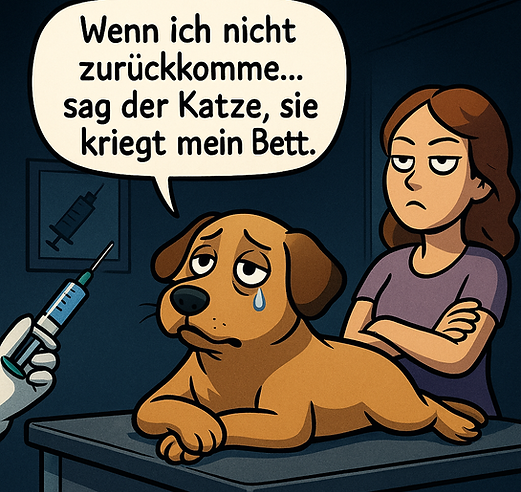
Why vaccinations are important for dogs
Vaccinations are among the most important preventative measures for your dog's health. They not only protect against serious, sometimes life-threatening diseases like distemper or parvovirus, but also help to reduce the overall spread of infectious diseases.
At the same time, differing recommendations and vaccination schedules often cause confusion. We want to help you find the right guidance.
Which vaccinations are considered advisable?
Core vaccinations
(Basic protection)
Non-core vaccinations
(individual decision)
These vaccinations are recommended for all dogs
—regardless of lifestyle or environment.
-
Distemper (CDV)
-
Parvovirus (CPV)
-
Leptospirosis (Lepto)
These vaccinations depend on lifestyle, travel habits, and individual risk.
-
Bordetella
-
Lyme disease
-
Leishmaniasis
Rabies – what rules apply in Germany?
Germany has been considered rabies-free since 2008. Therefore, there is no mandatory vaccination requirement.
However, if you are planning to travel abroad, rabies vaccination is mandatory!
Vaccination recommendations for puppies
Basic immunization for puppies
-
8 weeks: Parvovirus, Distemper, Leptospirosis
-
12 weeks: Parvovirus, Distemper, Leptospirosis
-
16 weeks: Parvovirus, Distemper
-
15 months: Booster (Parvovirus, Distemper, Leptospirosis)
Leptospirosis vaccines require two vaccinations for basic immunization.
Vaccinations for adult dogs
Refresher intervals
-
Parvovirus: every 3 years
-
Distemper: every 3 years
-
Leptospirosis: annually
-
Rabies: depending on the vaccine (usually every 3 years)
Our stance on vaccinations
We offer independent advice based on current scientific guidelines. Vaccinations are not an "all-or-nothing" issue.
The goal is sensible, individualized protection – tailored to your dog's age, health, and lifestyle.
The specific vaccination decision should always be made in consultation with a veterinarian.
Sources & Guidelines
-
StIKo-Vet Guideline (Friedrich Loeffler Institute, 5th edition, 2023): Guideline for the vaccination of small animals – including a vaccination traffic light system
-
WSAVA Vaccination Guidelines Group (2024/2025): Global Vaccination Guidelines for Dogs and Cats
-
OpenAgrar Specialist Portal (FLI, 2023): Vaccination of dogs and cats – practical recommendations & schedule
-
ESCCAP Germany (2024): Combined vaccination and parasite prophylaxis in risk areas
-
TiHo Hannover (2024): Current aspects of canine vaccination (Faculty of Veterinary Medicine)
Further topics:
Further important information about your dog's health, preventative care, and safety: